A Practical Guide to Linen Care: Washing, Drying, and Storage
A thoughtful, editorial dive into linen care that blends practical how-tos with a culture-honed sense of craft—designed for homeowners, renters, and textile enthusiasts who want linens that endure season after season.
Origin of ideas: from ancient flax to modern blends; from percale crisps to froissé textures; from care hacks to heritage notes. This guide threads together the everyday with the archival, inviting readers to care for their linens as a modest act of stewardship.
Introduction: Linen as a Living Material
Linen is more than a fabric; it is a language spoken by centuries of weavers, spinners, and caretakers. The fiber—flax—transforms through retting, scutching, spinning, and weaving into linens that can breathe with the person who touches them. In modern homes, linen connotes a particular grace: a cool, crisp feel that invites careful handling, a quiet sheen that ages gracefully, and a lineage that links table, bed, and bath in a shared textile ecosystem. This guide aims to translate that lineage into actionable steps: how to wash linen to preserve its character, how to dry it without harsh heat, and how to store linen so it remains ready for daily life and seasonal rotation.
Alongside the practicalities, we’ll consider a few voices from different eras—everyday stewards whose words, habits, and experiments with textiles continue to influence how we treat linen today.
Linen Basics: What You’re Working With
Linen is a fiber with a distinct character: it remains cool to the touch, becomes softer with use, and often carries a faint, dignified texture. The weave matters: plain linen has a matte, crisper hand; linen blends soften the feel and may add wrinkle resistance. In practice, linen’s care needs differ from cotton or synthetic blends, but the core principles—gentle handling, appropriate temperatures, and patient drying—translate across fibers with subtle adaptations.
Key terms to keep in mind as you navigate care guides:
- Fibre origin: 100% linen, or linen blends such as linen-cotton
- Weave and finish: froissé, percale, plain linen, or garment-dyed textures
- Important care cues: wash temperatures, detergent choices, and drying methods
Washing Linen: Temperature, Detergents, and Longevity
Washing is where linen begins its life anew after each wear or sleep. The aim is to remove soils and stains while preserving the fiber’s integrity and color. For 100% linen, use a mild detergent and opt for cool to warm water rather than hot, which can tighten the fibers and hasten wear. If your linen is a blend, always consult the blend’s care label, as synthetic fibers can react differently to heat and detergents.
General washing approach
- Sort lightly: separate whites from colors to avoid any dye transfer.
- Use a gentle cycle with a short wash time if possible. Linen loves a gentle touch.
- Choose a mild, liquid detergent; avoid heavily perfumed or enzymatic formulas that may degrade linen fibers over time.
- Avoid chlorine bleach; if necessary for stubborn stains, consider a non-chlorine alternative and test first on a small area.
Stain treatment strategies
Treat fresh stains promptly with a light dab of detergent solution or a gentle stain remover that suits linen. For oily stains, a touch of talc or cornstarch can help lift oils before washing. For tannins from tea or wine, pre-treat with a mild enzyme-friendly solution, then launder on a warm cycle if the label permits.
Drying Linen: Gentle Paths to Crispness and Avoiding Wrinkles
Air-drying is the gentlest route for linen, allowing fibers to relax and settle without the stress of high heat. If machine drying is necessary, use a low heat setting and remove while slightly damp to minimize wrinkles. Linen is famously quick to dry due to its natural breathability, but the approach you take after washing can significantly affect the finish you see on the final piece.
Tumble drying notes
- Low heat reduces the risk of setting wrinkles and reduces fiber fatigue.
- Remove promptly to minimize creasing, then smooth and fold while slightly damp.
- Consider a brief, cool-cycling spin to extract moisture without aggressive heat.
Ironing and pressing
If you prefer a crisper finish, iron linen while it's still slightly damp at a warm setting suitable for natural fibers. For froissé linens, you may opt to press only the areas that show the most creasing, or embrace the natural texture that the fabric yields over time.
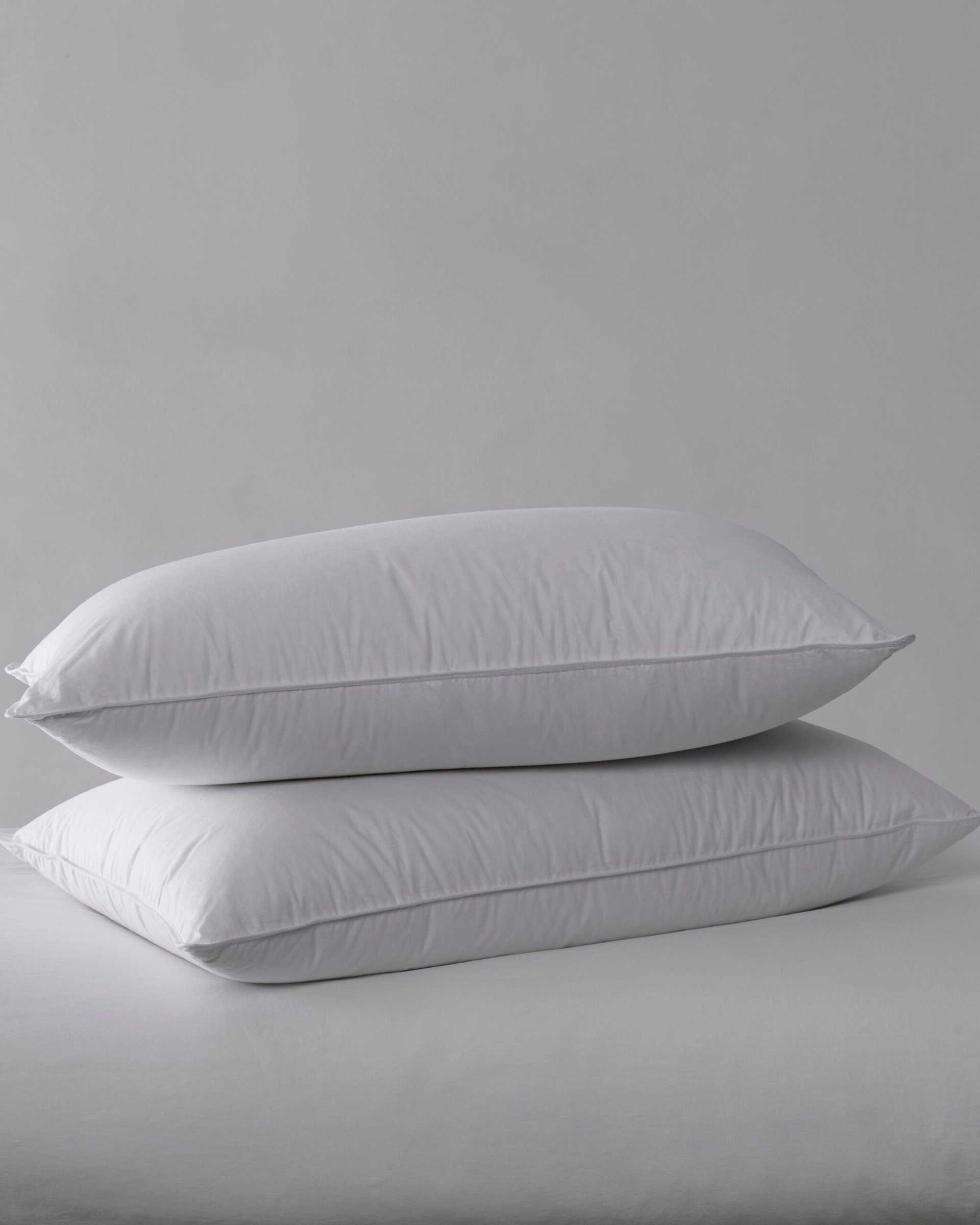
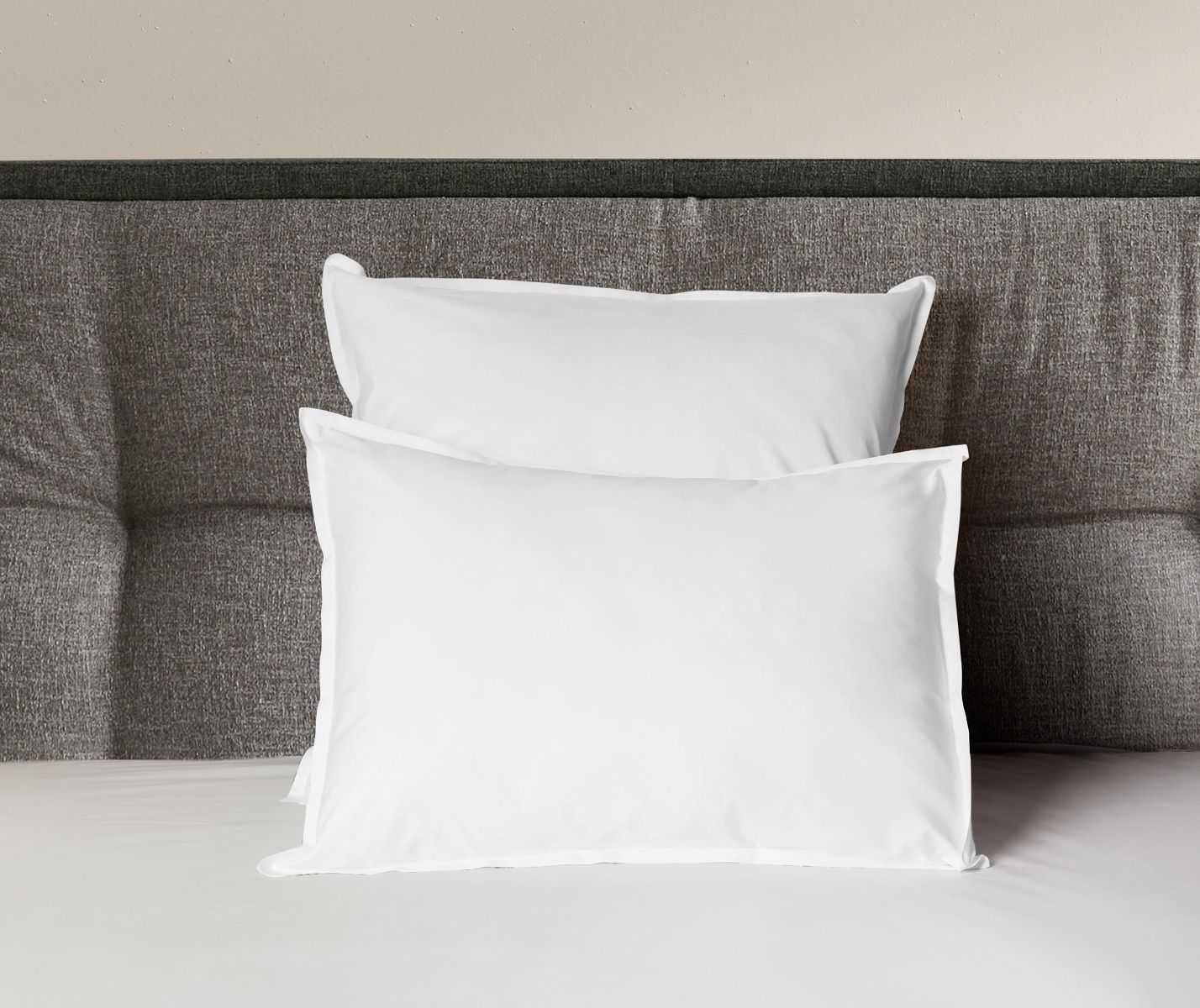
Product note: Down Pillow from Society Limonta (6826) demonstrates how pillows complement a linen regimen through a breathable cotton shell and a temperature-regulating fill that pairs well with linen textiles, offering a practical touchpoint for a refreshed bed setup.
Storage: Keeping Linen Fresh Across Seasons
Storage is the quiet conductor of linen’s life. Clean, dry linens stored in breathable containers or cotton bags resist musty odors and keep moths at bay. Avoid plastic bags that trap moisture; instead, aim for breathable, padded storage that lets fibers breathe. Rotate linens seasonally so you always have a fresh set ready, and consider placing a sachet of natural fragrance—like dried lavender or rosemary—near the storage area for a subtle, non-overbearing scent.
Three Archival Voices: Time-Period Perspectives on Care
To illuminate linen care across eras, we invite voices from different periods, each contributing a lens on textiles, care, and everyday life.
Ancient to Medieval Steward: Pliny the Elder’s Legacy
Though not directly about linen care as we know it, later interpretations of ancient hygiene and textile care echo a respect for materials. Early texts celebrated the endurance of natural fibers and the importance of cleanliness as a civic virtue. The lesson remains: treat linen as a living material that rewards careful handling and modest, repeated cycles of cleansing.
Renaissance Practical: Caterina Sforza and Domestic Craft
Renaissance households emphasized order and craft—careful washing, dye maintenance, and storage as part of daily ritual. Linen was central to domestic life, blended with the era’s aesthetics of proportion and restraint. The takeaway for today: blend craft with care, and approach textiles as lasting partners in a well-ordered home.
Modern Practitioner: The 20th Century Home Economist
Twentieth-century home economics pushed for clearer care labels and accessible guidelines. The clarity of modern care instructions—temperature, detergent type, and drying—reflects that legacy: a simple, repeatable system that preserves textiles without requiring specialized equipment.
A Practical Takeaway: Quick Reference for Care
- Washing: Use cool to warm water, mild detergent, and a gentle cycle for linen or linen blends.
- Stain treatment: Address stains promptly with gentle solutions and avoid aggressive bleaching on delicate fibers.
- Drying: Favor air drying; if using a dryer, choose low heat and remove slightly damp to minimize wrinkles.
- Ironing: If desired, iron while damp at an appropriate heat setting for linen; embrace or reduce crease depending on finish preference.
- Storage: Keep clean, dry linens in breathable containers; rotate seasonally to ensure readiness.
Product Spotlight: Down Pillow
The Down Pillow (6826) embodies the balance of breathability and support essential to a linen-forward sleep environment. With a 90/10 feather-down fill and a 100% cotton shell, it delivers medium support for various sleeping positions. Its construction respects temperature regulation, letting you experience a cooler, more comfortable night—an invisible ally to well-tuned linens that keep you calm and dry through the night.
Care: machine washable; follow label specifics. Origin: Italy. Brand: Society Limonta.
Down Pillow visual reference available upon request.
Further Reading and Resources
For readers seeking deeper histories and broader textile knowledge, consider museum catalogs on linen traditions, textile care manuals from the mid-20th century, and contemporary design essays that interrogate sustainability in fabric choices. A robust care routine begins with a patient archive of knowledge—shadowed by the quiet discipline of washing, drying, and storing with intention.
Internal cross-links guide you to related topics: Linen Basics, Care & Maintenance, Types & Uses, History & Culture, and Resources. The aim is to create a navigable, evergreen hub that serves as both reference and companion for everyday textile decisions.
Concluding Note: Linen as Craft, Memory, and Daily Ritual
Care for linen is care for a shared memory of fabric, craft, and the rooms we inhabit. It is a ritual of restraint and patience, demanding respect for a material that has traveled across time—from flax field to modern home—without losing its essential dignity. As you wash, dry, and store your linens, you participate in a dialogue that stretches beyond the basket and the hamper, a dialogue about how we treat the everyday surfaces that cradle our lives.