Linen Basics · Seasonal Bedding
Why Flax Bedding Works Across Changing Seasons
A bed is a small climate system, and its materials have opinions about the weather. Flax linen’s breathable character, shifting texture, and talent for layering make it a useful companion through seasons that rarely keep their promises.
There is a particular moment in the year when the bedroom seems to lose its allegiance. The winter duvet, which had been a reliable island, becomes an obstacle. A lighter blanket feels sensible at noon and insufficient by midnight. The window is open, then shut; a sock is put on, then removed. Bedding is asked to solve a problem the weather itself has not settled.
Flax bedding is often praised for being breathable and comfortable across the calendar. The claim is useful, provided it is not mistaken for magic. Linen does not sense a forecast or regulate a room by itself. What it can do is make a flexible bedding system easier to manage: air and moisture can move through the fabric, and its texture and weight can be combined with other layers to suit the night at hand.
That distinction matters. The seasonal feel of a bed is not determined by fiber alone. It depends on the weave, the weight of the textile, what lies beneath and above it, the temperature of the room, and the preferences of the person attempting to sleep. Linen is less a universal answer than a versatile starting point—one that rewards a little attention.
Flax, linen, and the movement of air
Flax is the plant; linen is the textile made from its fibers. In bedding, the distinction is familiar enough to be easy to overlook, like the difference between a vineyard and the bottle on the table. The material’s open, natural character can help air circulate and moisture disperse. That can make a linen sheet or pillowcase feel less stifling than a textile that holds warmth and dampness close to the skin.
The benefit is especially noticeable to people who sleep warm, live in humid conditions, or find that a heavy layer becomes uncomfortable over the course of the night. But breathability does not mean that linen is always cool. A substantial linen coverlet can still feel weighty; a duvet with a warm fill can still be warm. Fabric matters, but so does everything the fabric is asked to do.
Nor is moisture movement quite the same as a promise of dryness. A textile may allow moisture to travel through it, but the bedroom’s temperature, ventilation, and humidity all have a say in what happens next. The practical point is more modest and more dependable: flax bedding can contribute to a bed that feels airy rather than sealed, while layers can be added or removed as conditions change.
This is one reason linen feels well suited to the in-between months. Spring and autumn are not tidy chapters separated by a page break. They are improvisations. The morning may be cool, the afternoon warm, and the bedroom, by bedtime, somewhere else entirely. A breathable base layer makes adjustments less cumbersome.
Weight and weave: two details worth noticing
When comparing bedding, “linen” is only the beginning of the description. The fabric’s weight, weave, finish, and construction all affect how it sits against the body. A loose, airy weave may feel more ventilated; a denser or heavier textile may offer a more substantial hand and greater coverage. Neither quality is automatically superior. A sleeper who wants a crisp, light surface may be looking for something different from one who likes the reassuring presence of a blanket.
Weight can be an especially useful clue when planning layers. A light linen sheet makes a flexible foundation. A linen coverlet or blanket adds more physical presence without requiring the full warmth of a winter duvet. A duvet cover, meanwhile, does not determine warmth on its own: the insert inside it is an important part of the equation. The shell may be flax, but the fill and its loft will have a substantial effect on how warm the bed feels.
Weave and finish influence sensation as much as temperature. Some linen is deliberately relaxed, with a softly rumpled surface. Some is finished in a way that feels smoother or more tailored. A fabric’s texture can become more comfortable with use and washing, though the precise result depends on the textile and its care instructions. This gradual softening is part of linen’s appeal: the bed can acquire the ease of something lived in, rather than remaining permanently on its best behavior.
Thread count, often treated as a scoreboard, is not a reliable shortcut across different fibers and weaves. It describes a particular feature of construction, not the whole experience of a textile. For linen, more useful questions may be: Does the fabric feel too heavy for the room? Does the weave suit your preference? Can it be cared for in a way that fits your household? Will it work with the layers you already own?
The season is made by the whole bed
A bed works as a set of layers, each with a different job. The sheet makes direct contact with the sleeper. A blanket or coverlet provides a middle layer, easy to fold back or pull up. A duvet or comforter supplies more insulation. Pillowcases and shams influence the feel and finish near the face, while a mattress protector and mattress can affect warmth and airflow underneath.
The advantage of thinking in layers is that it replaces the grand annual bedding change with smaller decisions. In a warm spell, the thickest layer can be removed without changing the sheets. On a cooler night, a blanket can be added at the foot of the bed. If the room temperature swings sharply, two lighter layers may be easier to adjust than one very heavy one. It is not a system that requires elaborate planning; it is simply a way to avoid asking one textile to perform every role.
For a warm sleeper, a breathable flax sheet paired with a lightweight cover may be enough for much of the year. A cold sleeper may prefer the same base with a fuller duvet or an additional blanket. Couples who disagree about temperature—which is to say, most couples—may find separate light blankets more practical than negotiating a single shared layer at two in the morning.
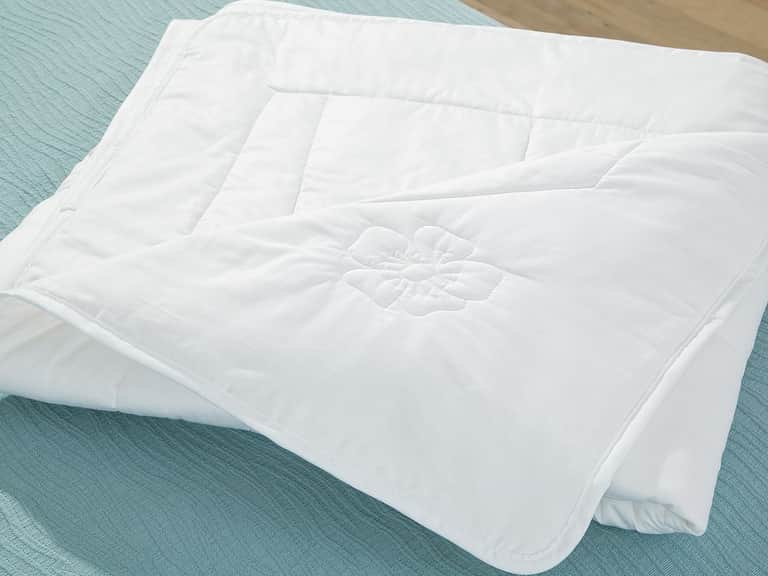
Consider, for instance, a Summer Linen Comforter with a cotton-linen blend fill and cotton sateen cover. Its stated design is lightweight, with breathability and moisture management in mind. Such a comforter can make sense as a warmer-season layer or for a sleeper who prefers less insulation. Whether it feels right in a particular bedroom will still depend on the room, the sleeper, and what else is on the bed; the name is a clue, not a meteorological guarantee.
A small change can also be enough. Swapping a heavier blanket for a lighter one, or folding a coverlet at the foot of the bed, alters the options available without requiring a completely different set of linens. Seasonal bedding works best when it is adjustable, not theatrical.
Pillowcases matter more than their modest size suggests
The pillowcase occupies little surface area, but it gets an unusually intimate assignment. It is in contact with the face and hair, and its feel can be prominent even when the rest of the bed is well arranged. A breathable linen pillowcase may appeal to people who want a textured, relaxed surface, particularly when nights are warm. It can also be paired with sheets made from another fiber; a bedroom need not observe material purity rules.
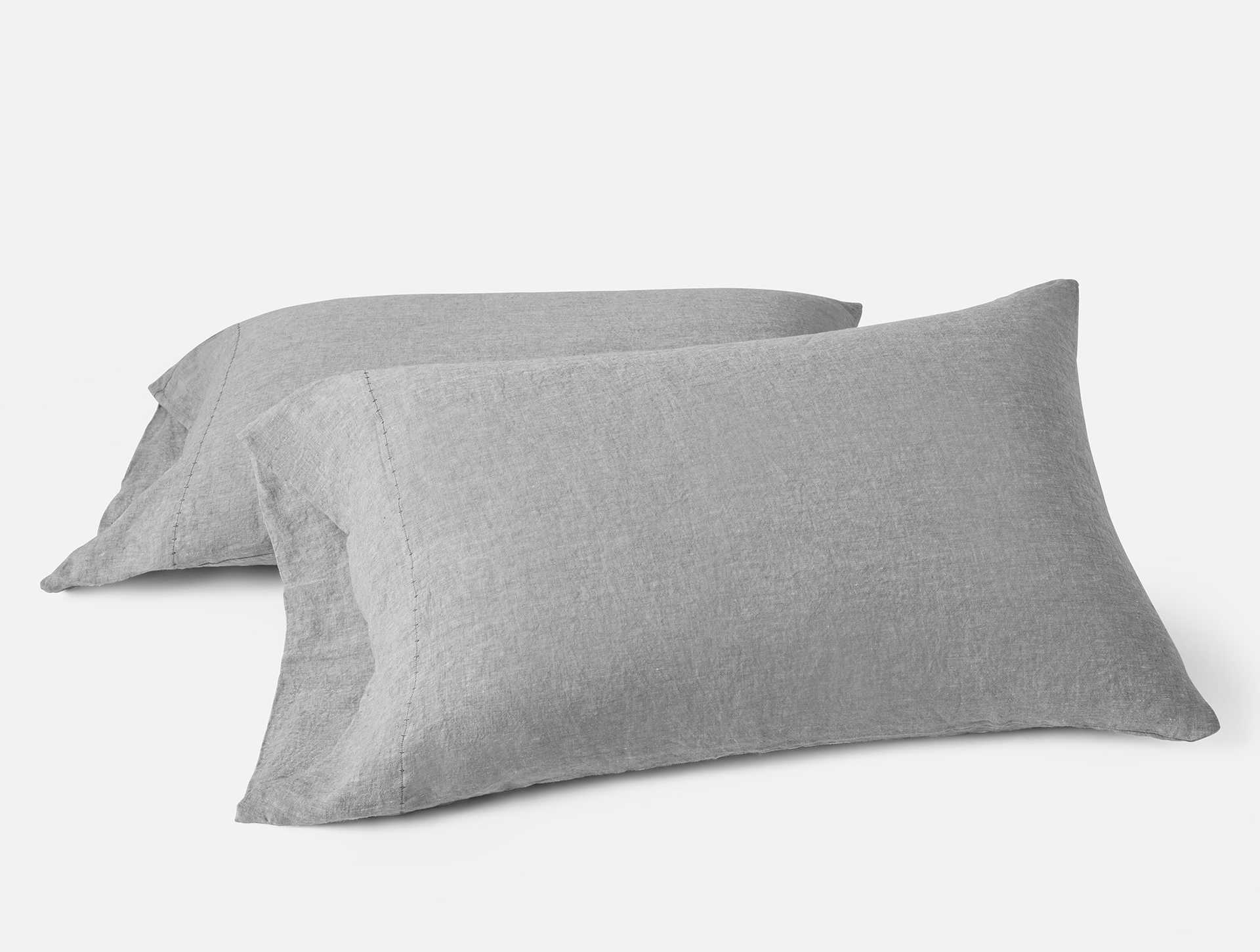
The Organic Relaxed Linen Pillowcases are described as GOTS-certified organic linen, made from flax grown in France and woven in Portugal. Their care guidance calls for a cold, gentle wash, low tumble drying, and a warm iron if desired. The pick-stitched cuffs are a construction detail, but the practical point is the combination of a breathable linen surface and care instructions that are clear enough to follow at home.
A pillowcase cannot make a warm room cool, and a textile’s organic certification does not determine how it will feel to every sleeper. Yet smaller bedding choices can contribute to comfort. If a pillow feels too warm, changing its cover may be a more targeted experiment than replacing the entire bed. The same principle applies to sheets: begin with the layer closest to the body, then adjust the rest.
A seasonal approach without seasonal fuss
The most useful bedding arrangement is often the one that asks the least of its owner. A few well-chosen layers can cover a surprising range of conditions. Instead of storing one entire set of bedding for every month, a household might keep a dependable sheet, a medium-weight cover, and a lighter or warmer top layer within reach. The aim is not a perfectly calibrated bed, but one that can be changed without much ceremony.
- For warm weather: Start with a light, breathable sheet and use a thinner cover or comforter. Keep an additional blanket nearby for cooler nights rather than adding warmth to every part of the bed.
- For transitional weather: Use layers that can be folded back or removed. A flax sheet and a medium-weight blanket can offer more flexibility than a single heavy cover.
- For cold weather: Retain the breathable base if it feels comfortable, then add insulation through a duvet or blanket. Linen’s airy character does not prevent the upper layers from providing warmth.
- For shared beds: Try separate light throws or blankets if one sleeper tends to be warmer than the other. Harmony, like sleep, is sometimes achieved by dividing the covers.
These are starting points, not rules. A warm-climate household may use a lighter arrangement year-round; a drafty room may need substantial insulation even in spring. Personal comfort, the local climate, and the room itself matter more than the season printed on a calendar.
Care helps preserve the feel
The promise of long use depends partly on the way bedding is washed and dried. Linen is valued for its strength, but strength is not immunity. Repeated high heat, overcrowded washing machines, harsh detergents, or aggressive drying can place unnecessary stress on fibers. The care label should be the first authority, particularly when a piece includes a finish, trim, blend, or construction detail that calls for special handling.
For linen pillowcases and sheets that specify a gentle cycle, use enough room in the washer for the fabric to move. Wash similar colors together and avoid loading the drum so heavily that the textiles cannot rinse properly. Low heat is often recommended for drying; removing linen promptly can help limit deep creasing. If a relaxed look is part of the appeal, ironing is optional where the care label allows it.
Detergent deserves a lighter hand than many people give it. More soap does not mean more clean. Excess detergent may leave residue, which can alter the way a fabric feels and may make rinsing less effective. Fabric softener is not automatically beneficial, either; some linen care instructions advise against it. Follow the textile’s own guidance instead of relying on habits inherited from the washing machine’s previous owners.
Storage is similarly uncomplicated. Put bedding away clean and fully dry, in a place with adequate ventilation. Avoid compressing natural-fiber textiles under heavy objects for long periods, and protect them from persistent dampness. These steps are not glamorous, but neither is replacing a favorite pillowcase because it was folded away slightly wet.
What flax bedding can—and cannot—promise
Flax bedding is not a thermostat. It cannot correct poor ventilation, change the temperature of a room, or compensate for a duvet that is far too warm. Breathability is a feature of the fabric, not a guarantee of a particular sleep temperature. Nor does “natural” automatically mean that a textile is right for every person, climate, or care routine.
What flax offers is a useful combination: a fabric that allows air and moisture to move, a tactile surface that many people find appealing, and a range of weights and constructions that can be arranged into a flexible bed. Its character can suit warm nights, particularly in a lighter layer, while additional blankets and insulation can make the same bedding system more comfortable when the temperature falls.
A considered choice begins with the sleeper rather than the adjective on a label. Do you wake too warm? Do you prefer a crisp surface or a relaxed one? Is the room humid, drafty, or unusually well heated? Will you tumble-dry the bedding, or hang it to dry? Does the fitted sheet have enough pocket depth for the mattress and any topper? Answers to these ordinary questions are more useful than searching for a fabric that is said to work everywhere.
A bed that can change its mind
The appeal of seasonal bedding lies less in the pursuit of perfect consistency than in the freedom to make small corrections. A flax sheet can provide an airy foundation. A coverlet can add modest weight. A duvet can be chosen for the insulation a particular sleeper needs. When the weather changes, the bed can change with it, without turning the bedroom into a storeroom of specialized solutions.
That flexibility is the quiet case for linen. Not that it is cool in every circumstance, or warm in every one, but that its breathable character can sit comfortably within a layered arrangement. The weave, weight, and finish shape the feel; the blanket above it and the room around it shape the result. The answer, as it often is in domestic life, is not one perfect object but a sensible combination of objects.
The weather will continue to improvise. A well-layered bed need not take it personally.